VW Golf MK4 R32: The Golf That Introduced DSG to the World
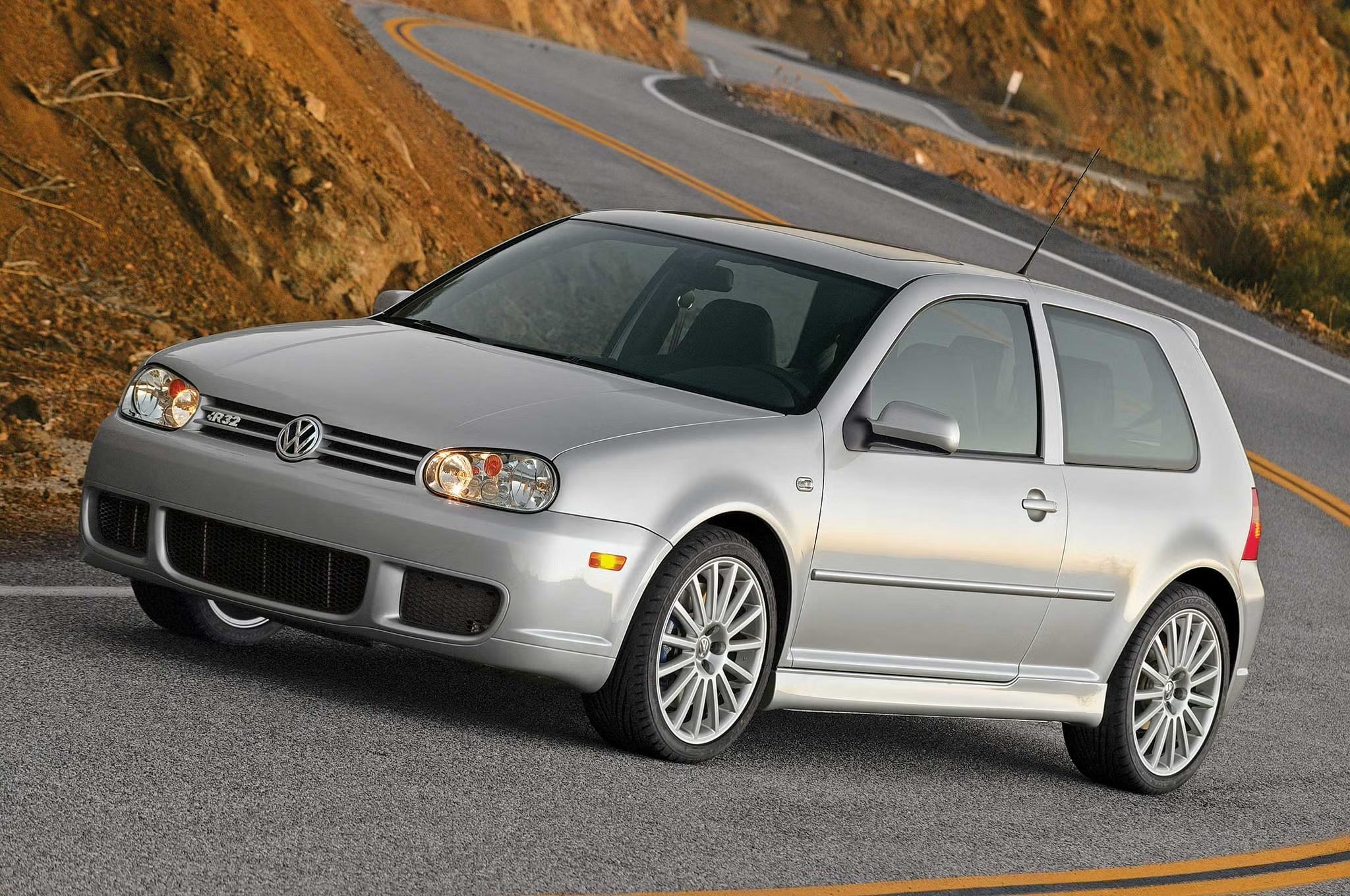
The Golf MK4 launched in 1997 as Volkswagen's most ambitious Golf yet. It became the best-selling car in Europe in 2001. And then in 2002, Volkswagen launched the R32: a naturally aspirated 3.2-litre VR6, Haldex all-wheel drive, and the world's first dual-clutch DSG gearbox.
This is part of our complete VW Golf guide covering every generation from MK1 to MK8. For the story of the generation it replaced, read our VW Golf MK3 guide.
A new quality standard
Volkswagen launched the MK4 in October 1997 with a clear ambition: to bridge the gap between the Golf and genuinely premium cars. The interior quality represented a step change from anything the segment had offered before. Soft-touch materials, precise panel fits, a dashboard that felt more like an Audi than a rival to the Ford Focus or Peugeot 306. The MK4 set a new benchmark for perceived quality in the compact car segment that competitors spent years trying to match.
The R32: the Golf that changed everything
In 2002 Volkswagen launched the Golf R32. A 3.2-litre 24-valve VR6 producing 237 horsepower and 320 Nm of torque, mated to Haldex all-wheel drive and available with either a six-speed manual or the world's first DSG dual-clutch automatic gearbox. The R32 badge established an entirely new performance tier above the GTI that Volkswagen has maintained in every Golf generation since.
The DSG gearbox was the first car in the world to offer it. Within a decade, dual-clutch transmissions would be standard on performance cars from Ferrari to Ford. The R32 introduced the technology to the mass market.
Why the R32 matters today
The MK4 R32 was the last Golf R32 before the model moved to a turbocharged engine, making it the only R-badged Golf with a naturally aspirated VR6. It was produced in limited numbers and sold immediately when new. Clean, original MK4 R32s with documented history have been appreciating steadily for the past decade and show no sign of reversing.
On your wall

Shop the VW Golf MK4 R32 deck →